
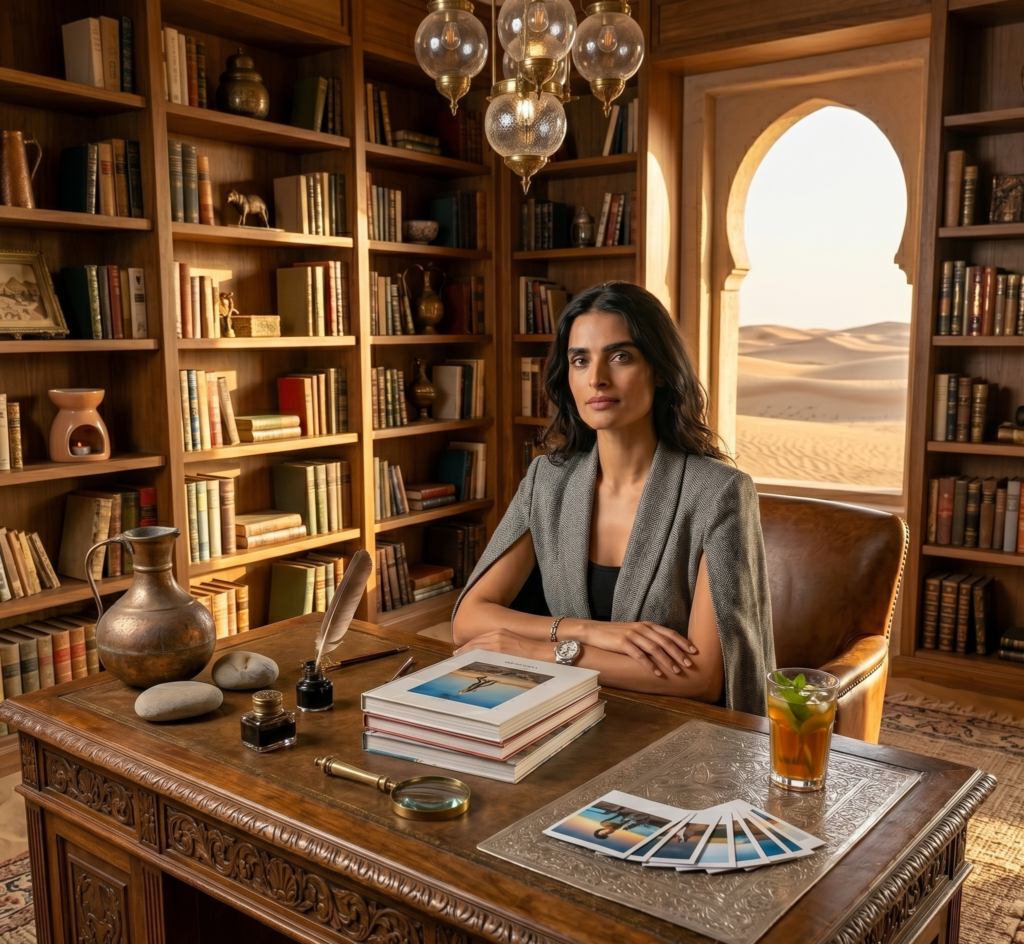
North African skincare traditions offer a centuries-old blueprint for radiant, resilient skin — one that the global beauty industry is only now beginning to catch up with. Rooted in the landscapes, botanicals, and rituals of Morocco, Egypt, Tunisia, and Algeria, these practices are as effective as they are elegant.
✦ Key Benefit: Unlike trend-driven skincare routines, North African beauty traditions work holistically — addressing skin health from the inside out, combining natural ingredients with mindful rituals. The result is skin that is genuinely nourished, not just temporarily treated.
The Foundations of North African Skincare
Argan Oil
Often called ‘liquid gold,’ this Moroccan-origin oil is rich in Vitamin E and essential fatty acids. It is used as a moisturiser, a hair treatment, and a nail strengthener. Its versatility is unmatched.
Rhassoul Clay
Mined from the Atlas Mountains, rhassoul clay has been used in North African hammams for over a thousand years. It draws out impurities, tightens pores, and leaves skin remarkably smooth without stripping it.
Black Seed Oil (Habba Sawda)
Used across Egypt and the broader Arab world, black seed oil is a potent anti-inflammatory and antimicrobial ingredient. It has been used to treat acne and dryness for generations.
Rose Water and Orange Blossom Water
These fragrant hydrosols are staples in North African beauty routines. They tone, hydrate, and calm the skin while offering an aromatherapeutic quality that elevates the daily ritual.
Why These Traditions Matter Now
In the age of ingredient-conscious beauty, North African traditions have never been more relevant. These are not folklore — they are time-tested formulations that work, and they invite us to treat skincare as a ritual rather than a task.
Internal Links:
→ Learn more about SeeThru’s editorial vision on our About page.
→ Mediterranean Beauty Rituals for the Modern Woman
Ready to explore more? Get in Touch with SeeThru today.
By: Ashar Nogi